
Talking to children about death must be geared to their developmental level, respectful of their cultural norms and sensitive to their capacity to understand the situation. Children will be aware of the reactions of significant adults as they interpret and react to information about death and tragedy. For primary school children, adult reactions will play an especially important role in shaping their perceptions of the situation. The range of reactions that children display in response to the death of significant others is wide and varied.
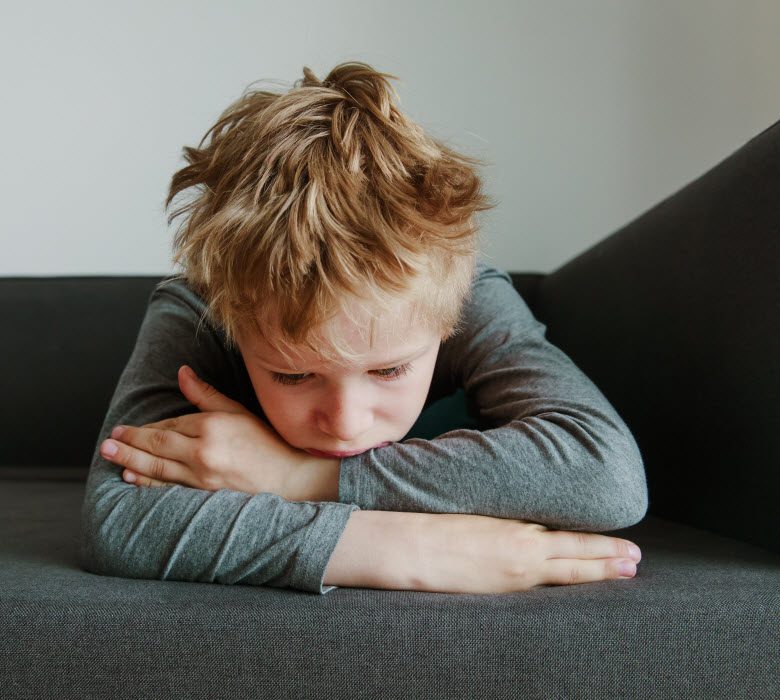
Emotional reactions to grief
- Emotional shock and at times an apparent lack of feelings, which serve to help the child detach from the pain of the moment.
- Regressive (immature) behaviours and needing to be rocked or held, difficulty separating from caregivers, needing to sleep in a caregiver’s bed or apparent difficulty completing tasks well within the child’s ability level.
- Explosive emotions and acting out behaviour is a reflection of the child’s internal feelings of anger, terror, frustration and helplessness. Acting out may reflect insecurity and a way to seek control of a situation over which they have little or no control.
- Asking the same questions over and over, not because they do not understand the facts, but rather because the information is so hard to believe or accept. Repeated questions can help listeners determine if the child is responding to misinformation or the real trauma of the event.

How do we help children cope?
- Allow children to be the teachers about their grief experiences: Give children the opportunity to tell their story and be a good listener.
- Don’t assume that every child in a certain age group understands death in the same way or with the same feelings: All children are different and their view of the world is unique and shaped by different experiences.
- Grieving is a process, not an event: Parents and schools need to allow adequate time for each child to grieve in the manner that works for that child. Pressing children to resume ‘normal’ activities without the chance to deal with their emotional pain may prompt additional problems or negative reactions.
Childhood developmental phases in understanding death
It is important to recognise that all children are unique in their understanding of death and dying. This understanding depends on their developmental level, cognitive skills, personality characteristics, cultural background, religious or spiritual beliefs, teachings by parents and significant others, input from the media and previous experiences with death and loss.

- Infants and toddlers: The youngest children may perceive that adults are sad but have no real understanding of the meaning or significance of death.
- Pre-schoolers: Young children may deny death as a formal event and may see death as reversible. They may interpret death as a separation, not a permanent condition. Preschool and even early primary school aged children may link certain events and magical thinking with the causes of death.
- Early primary school: Children at this age (approximately 5-9 years) start to comprehend the finality of death. They begin to understand that certain circumstances may result in death. At this age, death is perceived as something that happens to others, not to oneself or one’s family.
Books
- Helping Bereaved Children (Webb)
- Handbook of Children’s Coping: Linking theory and intervention (Wolchik & Sandler)
- Opening Up: The healing power of expressing emotions (Pennebaker)
- Never the Same: Coming to terms with a parent’s death when you were a child. (Schuurman)
Further Information
Please call Cairns Paediatric Psychology (07) 40 417004 for further information or to make an appointment with Danaë Owen. Read more psychology articles.

