
Children living in out of home care have already encountered numerous and ongoing losses. The death of a parent or loved one is significant and impacted by various factors.
Influencing factors
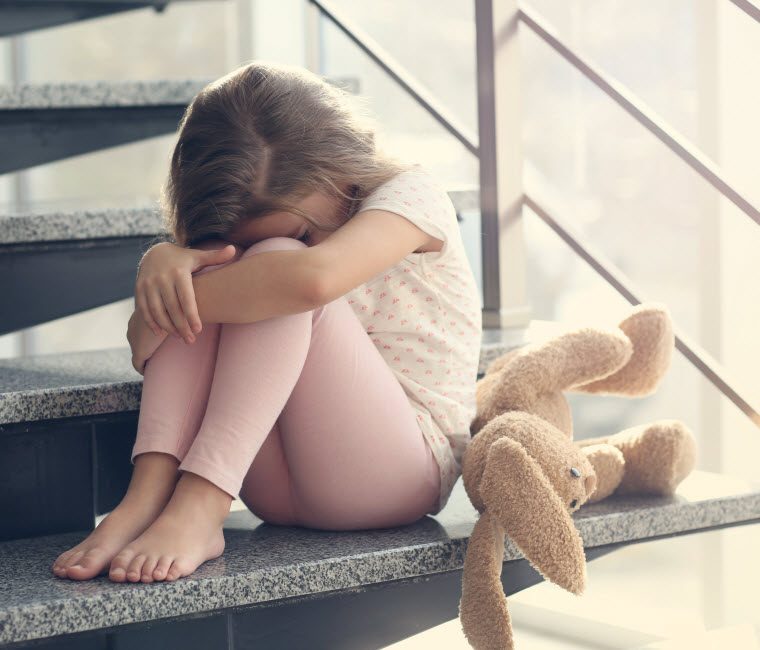
The way in which children experience and express grief after a significant loss in their lives is influenced by:
- the nature of the loss
- the manner in which the loss occurs
- the child’s previous relationship with the lost person or object
- the child’s personality
- previous life experience including other losses
- the child’s physical and emotional health
- the child’s developmental stage
- the familial and social environment in which the loss occurs
- behaviour modelled by adults in their environment, and most importantly,
- the availability of understanding and loving support.
Reactions to grief
The impact of loss affects children in very similar ways to adults, but a child’s expression of grief is often different and therefore easily missed or misunderstood.
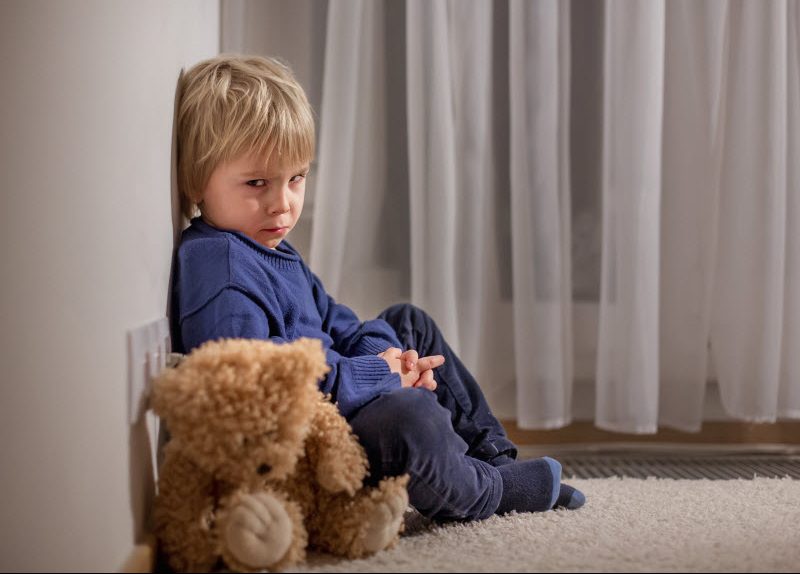
- Children may react by crying initially and later remain dry eyed even when adults around them are crying. Visually, the comparison between expressive adult’s grief and that of a child or adolescent may appear dramatically different, making it easy for adults to make sweeping pronouncements that “children are resilient and get over things easily;” “they soon forget.” Remarks like these are inaccurate and often make children and young people angry. The children feel as if their grief is minimised at best, believed to be non-existent at worst.
- Children and young people frequently cry on the inside. Tears outwardly expressed make them feel embarrassed, different and vulnerable. They desperately need to remain part of the group, no different to their peers, and they need to convince themselves that life will continue in a positive way despite their experience of loss.
What does my bereaved child need?
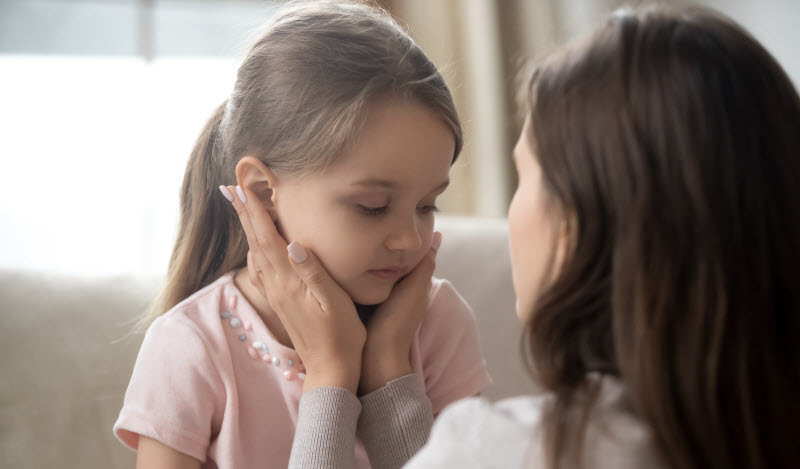
After a death, many children want to share their story. They may want to tell you what happened, where they were when they were told about the death, and what it was like for them.
Telling their story is a healing experience. One of the best ways adults can help young grievers is to listen to their stories. Children also need continuity, care and connection.

Continuity
It is important to maintain normal activities at home, at school and in the community wherever possible.
Talk to your child’s school and teacher about what has happened as soon as you can so that they are able to provide extra support for your child.
Care
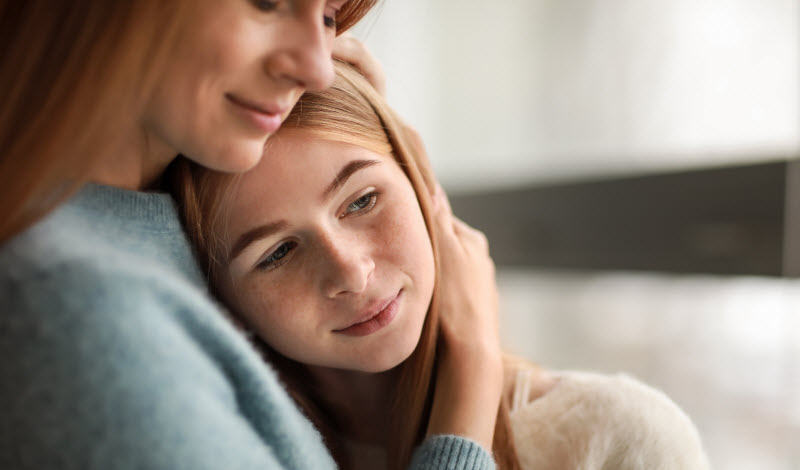
Take time to give your child plenty of hugs and cuddles. Grief can be a very lonely experience for children and adults. It’s important that your child continues to feel looked after and cared for.
It may help to ask other family members and friends to help you care for your child/children in the weeks following the death, when your own grief is overwhelming.
Connection
When an important family member dies, the whole family can feel fractured and incomplete.
It’s quite natural to want to withdraw for a while and it is at this time that children can feel lonely and disconnected from their grieving family. It’s important that your child is able to still feel connected to the parent who has died and to you – their caregiver.
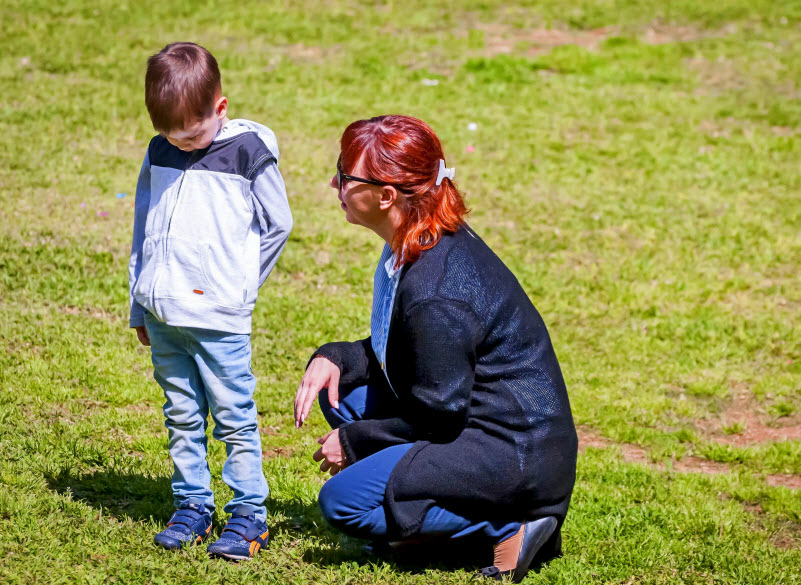
You can help them to do this in the following ways:
Specifically, children need:
- adequate information about the death
- their fears and anxieties addressed
- reassurance that they are not to blame
- careful listening
- acknowledgement and acceptance of their feelings and grief
- a sense of safety in the world
- respect for their own way of coping
- people who will guide and help
- help with overwhelming emotions
- involvement and inclusion in rituals and anniversaries
- opportunities to remember the person who has died.
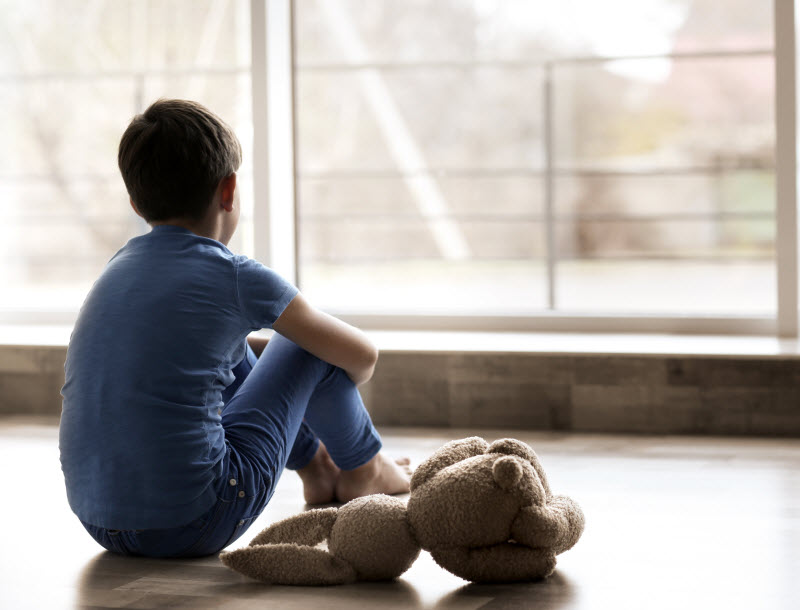
Three important questions young children might not ask but you might help to answer
- Who will look after me?
- Will I get sick?
- Did I cause my parent to die?
The death of a parent can shake the foundations of a child’s belief in the world as a safe place. The child will need plenty of reassurance and encouragement to begin to feel safe again.
Books
- Helping Bereaved Children (Webb)
- Handbook of children’s coping: Linking theory and intervention (Wolchik & Sandler)
- Opening up: The healing power of expressing emotions (Pennebaker)
- Never the same: Coming to terms with a parent’s death when you were a child (Schuurman)
Further Information
Please call Cairns Paediatric Psychology (07) 40 417004 for further information or to make an appointment with Danaë Owen. Read more psychology articles.

