Kids always parrot your least considered comments at the most inopportune times – repeating something you should not have said in front of the person you should not have said it about, or swearing in front of Nana.
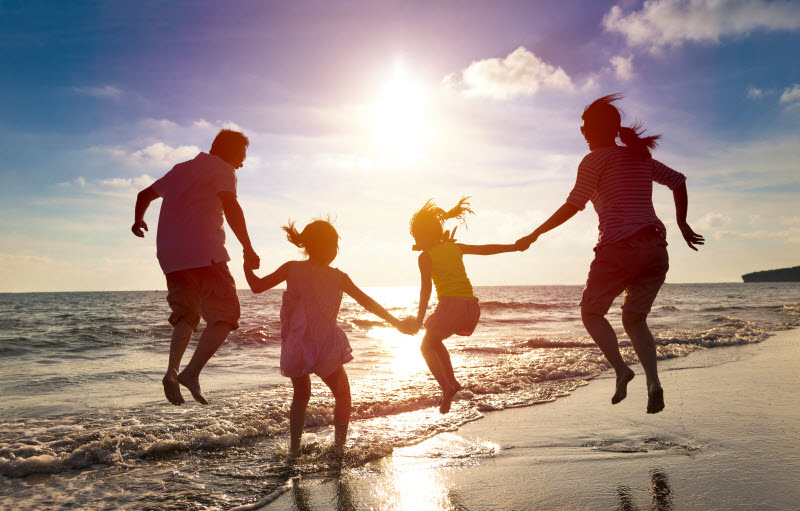
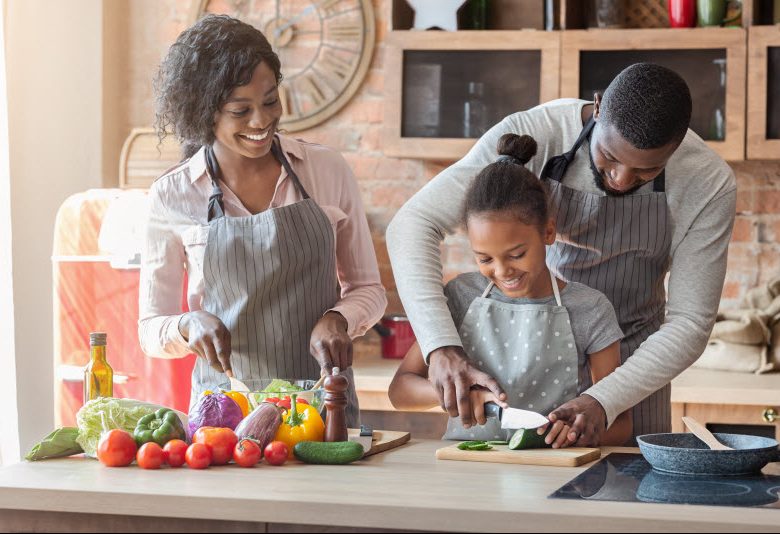
Kids copy, a lot. And not just what you say. They also copy what you do and how you do it. Parents are the first (and most important) role model a child has. Mums and dads are observed, copied and questioned by little people who are vulnerable and easily influenced. As the little people become bigger, they do not stop watching and learning; parents still set the example. For most children, that is a good thing.
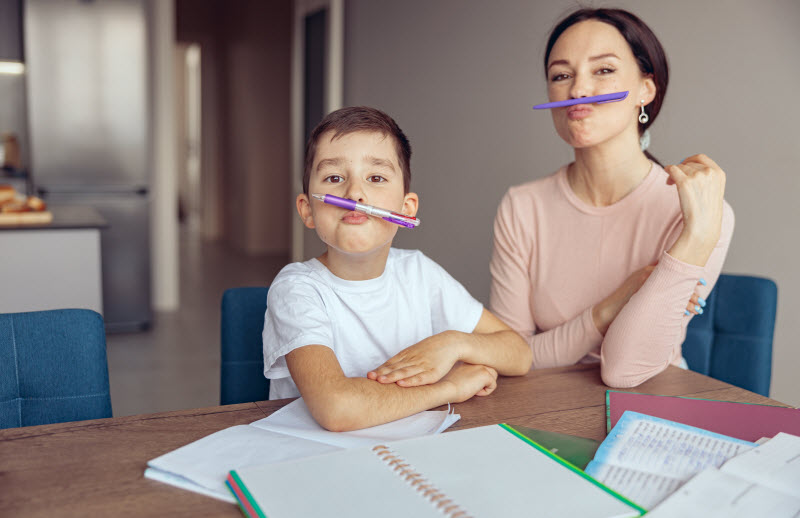
“Children learn from a very young age by watching, asking questions and playing. They are curious and their minds are open,” explains Danaë. “Parents need to be aware that kids do as the parents do, rather than what they say.
For a long time, people believed children were like inferior little adults, but now we know that they think and learn very differently from adults.
This can be largely explained by brain development. We used to think the brain was fully formed at birth, but now we know that it is not until people are in their 30s that the brain is fully formed.
According to Danaë, current thinking on the nature versus nurture debate says that children are born with certain predispositions and potential, and this is governed by genes. Nurture comes in next. A child’s upbringing and environment influences whether or not these potentials and predispositions become realities.
“The more we learn about genetics, the more science realises that just because you have certain genetic material, does not mean that the gene will automatically find expression.”
Danaë believes that the best thing we can do for our kids is to be mindful of their needs. We can’t be perfect, but we can be mindful.
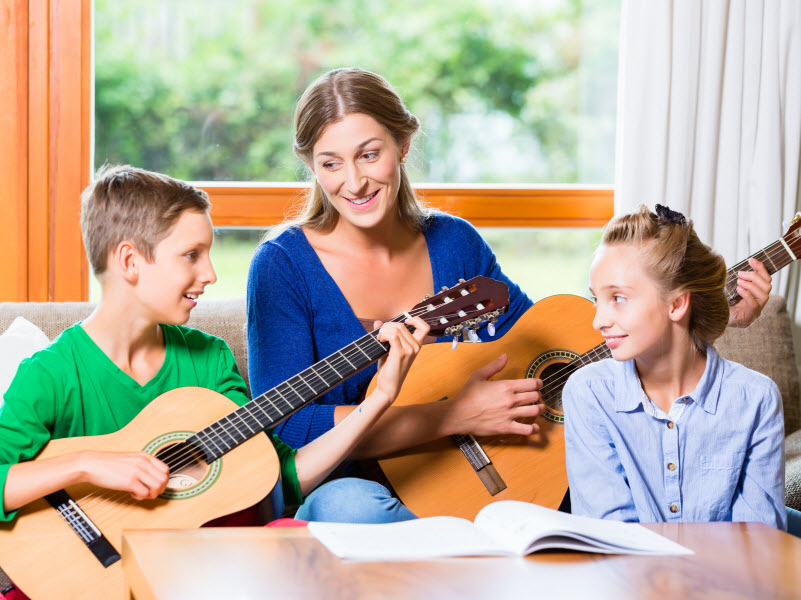
We found many families around Cairns who are nurturing the minds, bodies and souls of their children by setting an example. We talked to three such families about parenting and role models.
We spoke to the Sullivan family from Redlynch with five children aged between 10 and 14. You would think managing one sport per kid would be challenging enough. A healthy life is paramount to this family, and each child plays at least two sports and a musical instrument. They play hard and they play together.
Then there is the Luki family. They place such a high value on education that, one point, Dad and three of his six children were studying at the same university at the same time.
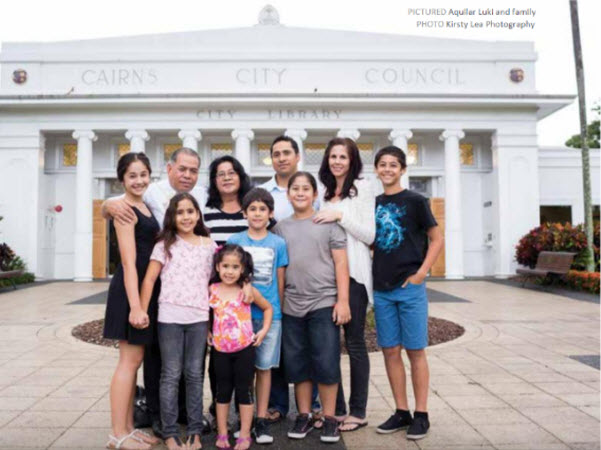
The Luki Family
The day Aquilar Luki turned 15, he left shcool. In his family, children left school as soon as possible, got a job and earned money. The only reason anyone would think about university would be to laugh at the idea – why would anyone be a chump and work for nothing for four years?
Aquilar, now a father of six mostly tertiary-educated, grown-up children and 19 grandchildren, said it took a generation to change an ingrained attitude to education and set a different kind of example for his own family. He moved from the tiny island of Nuie in the Pacific to Cairns, via New Zealand, to give his children better opportunities. He taught his kids to persevere and study, and he did the same.
https://issuu.com/cairnsparentingcompanion/docs/2177_cpc_winter-76pp_2013_lr/18
Read more psychology articles, or contact us to start the conversation.

